Our Story

Built from scratch. Iterated in public.

Everything you want to know about how and why KynOre exists.

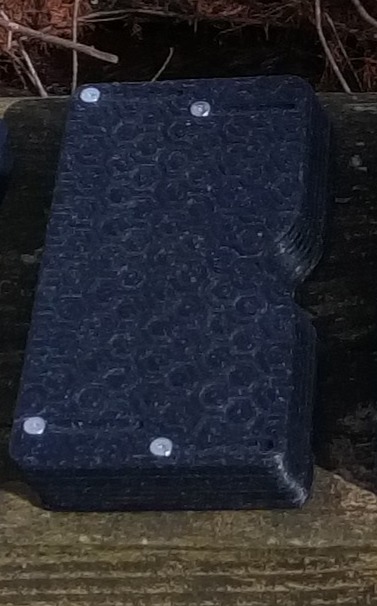
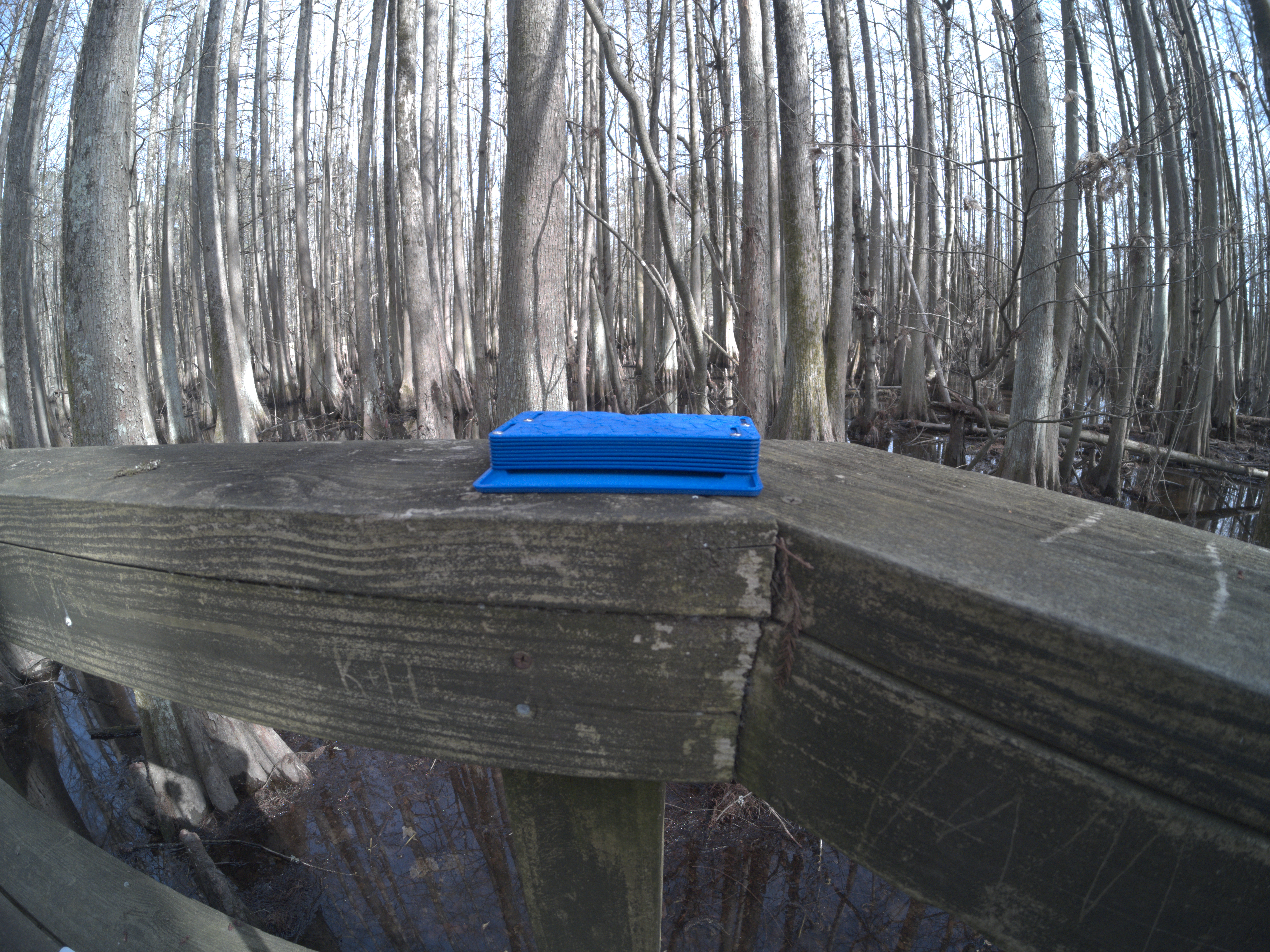
KynOre modular wallet fully assembled showing card slots and screw-together modules
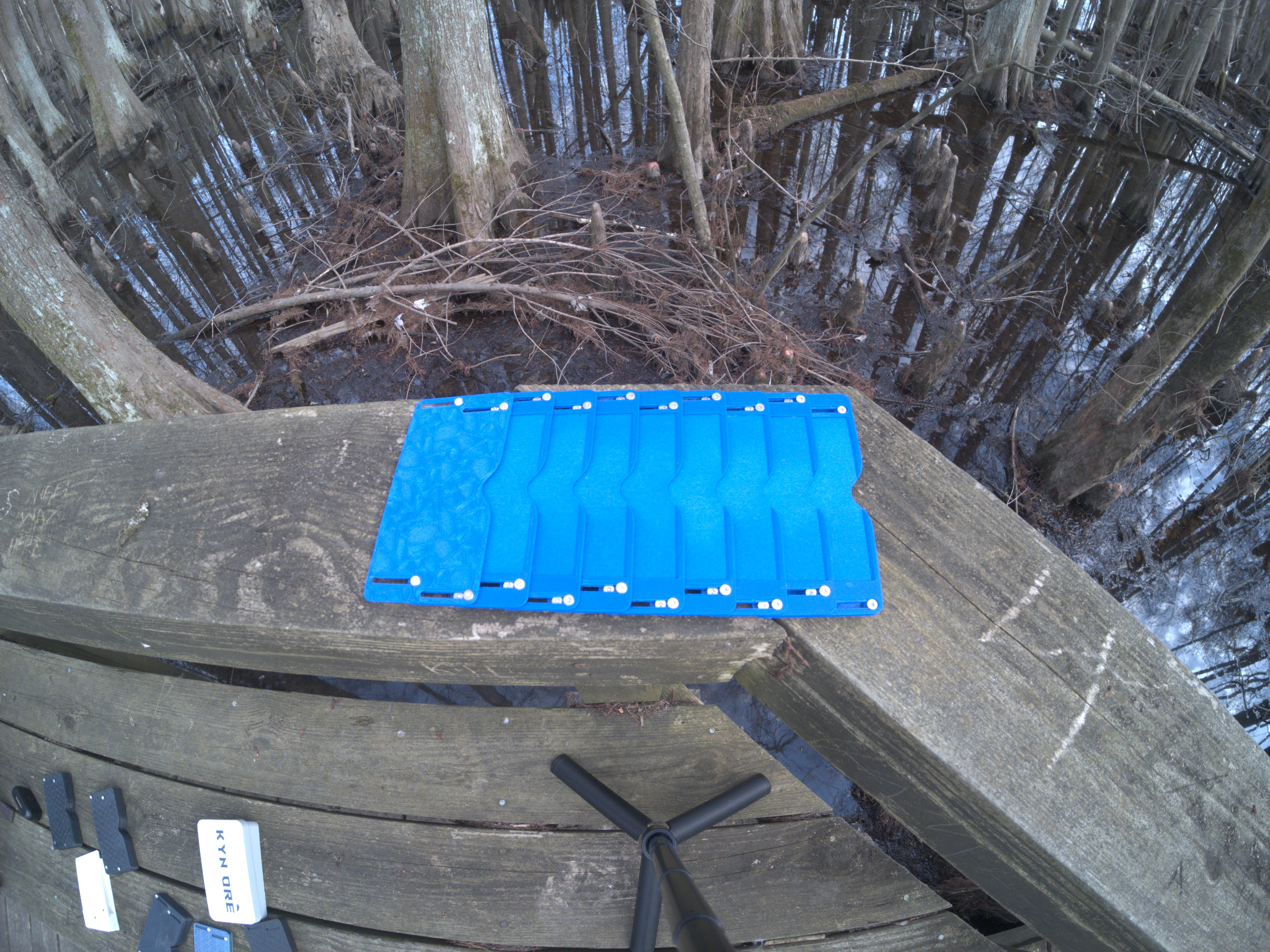
KynOre wallet cash module detail showing thin profile design
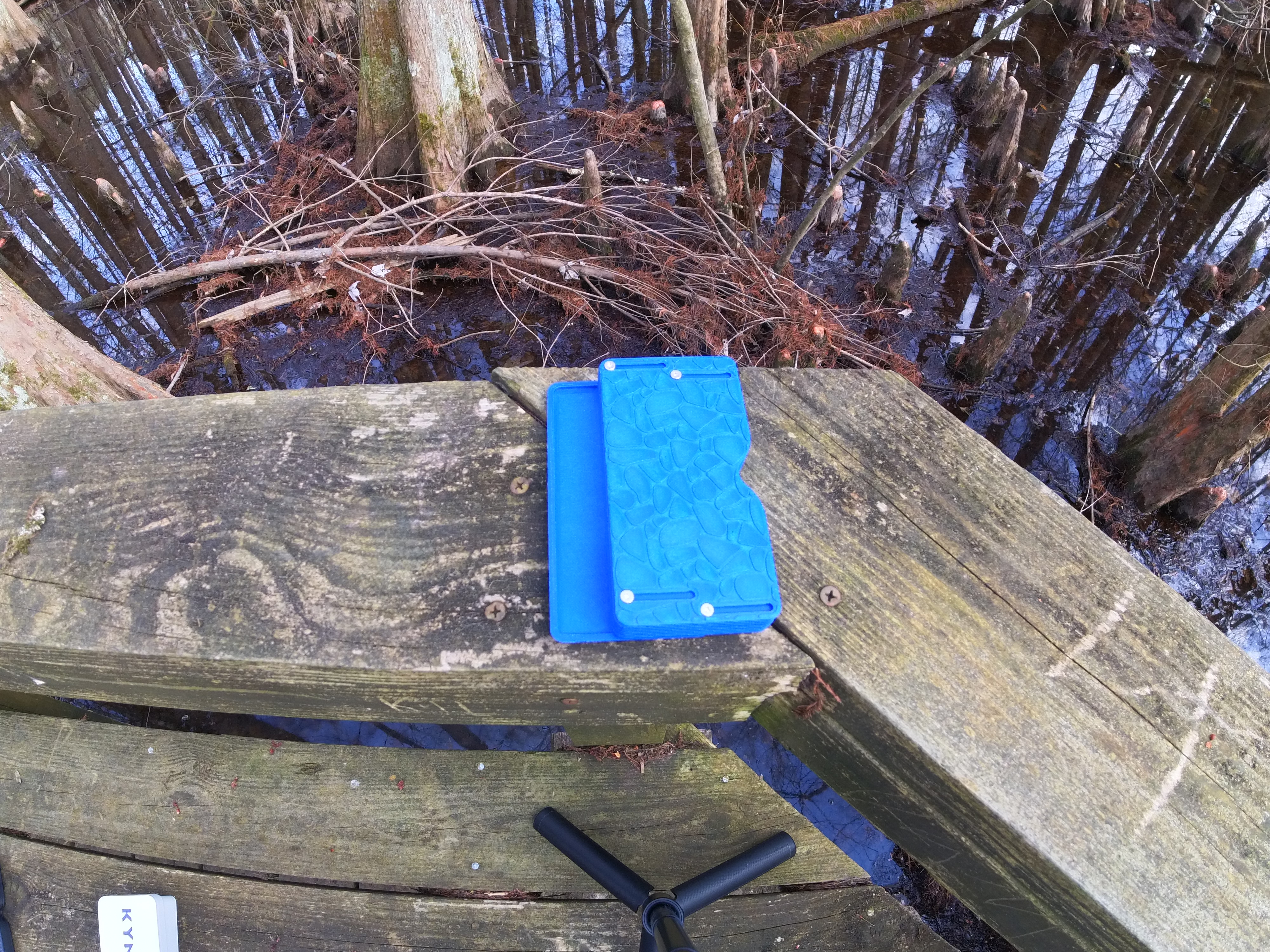
3D-printed modular wallet manufacturing process showing precision printed parts
The Story

Why I Built KynOre

The idea for KynOre started because I owned a minimalist metal slab wallet. I hated using it, but I loved how it fit in my pocket. Getting the card I needed was always an ordeal. I would have to take out 5 to 6 cards to get one card. Every interaction with the wallet was 30+ seconds. And there was no way I was trusting a cash clip with my hard-earned money! Leather wallets are nice but too bulky.

I wanted a wallet that could actually adapt to any need — custom built for each use case. Something modular that can change as your life does.

So I started prototyping with a 3D printer, iterated through four major design overhauls, and landed on a system that screws together, holds tight, and looks sharp!
The Evolution

Four major design revisions. Each one taught me something new.

V1

Version 1 — The Proof of Concept

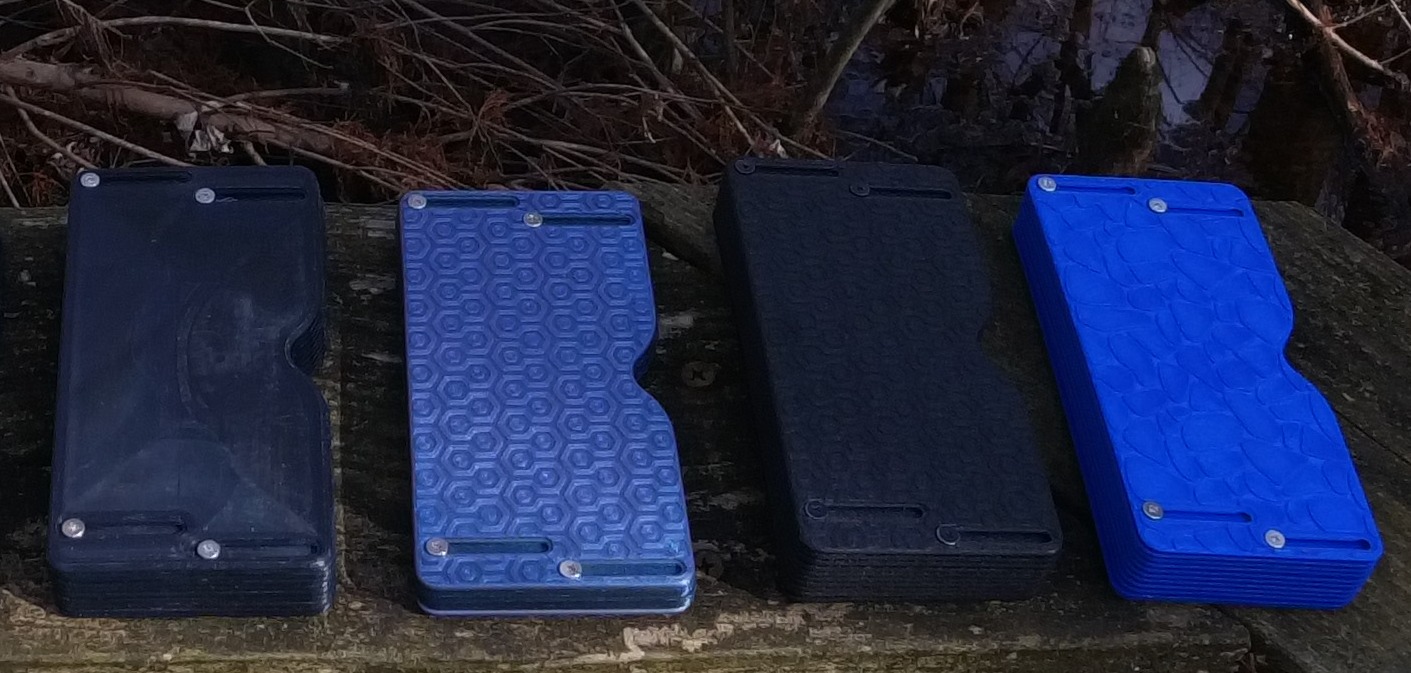
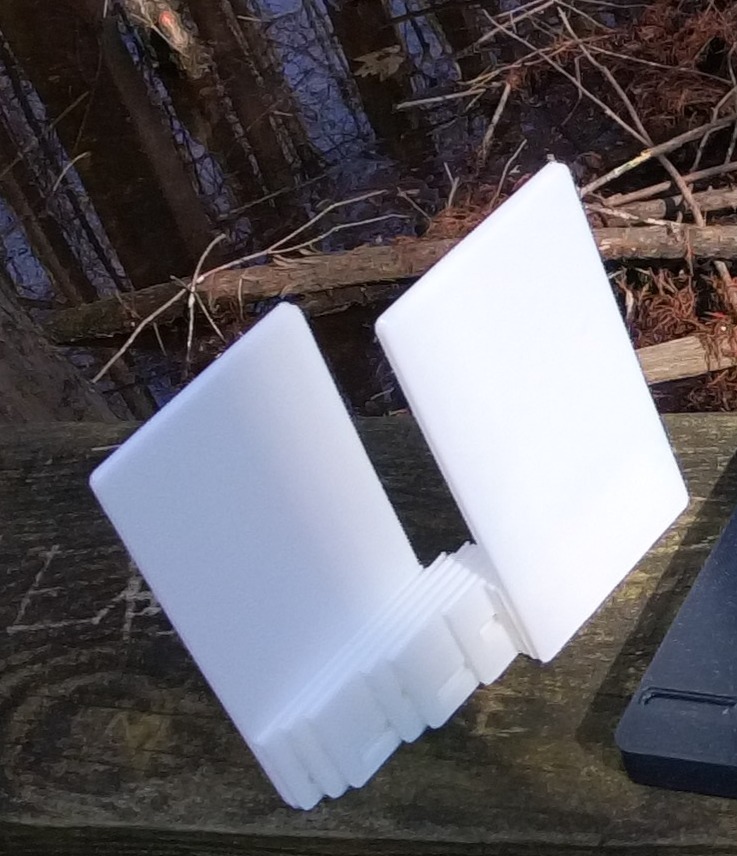
The first prototype proved the modular idea could work. It used printed joints that made the modular assembly possible but not upgradable — it was bulky and did not fit in a pocket, the card holding inserts really only held the cards using friction — but it showed that a modular design was possible with 3D printing.

KynOre V1 Prototype
V2

Version 2 — Structural Rethink

V2 was a complete redesign. The slide mechanism was the same idea and it still was not upgradable but much slimmer. Cards were now slid into more of a pocket, The cards though were not held properly while opening and closing the wallet. Making using the wallet a challenge. and the overall form factor shrank significantly.

KynOre V2 Prototype
V3

Version 3 — Structural Rethink

V3 was another complete redesign. better ergonomics, and improved module retention the cards were now held from every side while open and close. V3 was the first version that felt like a real product instead of a prototype.

KynOre V3 Prototype
V4

Version 4 — Current Production (Latest)

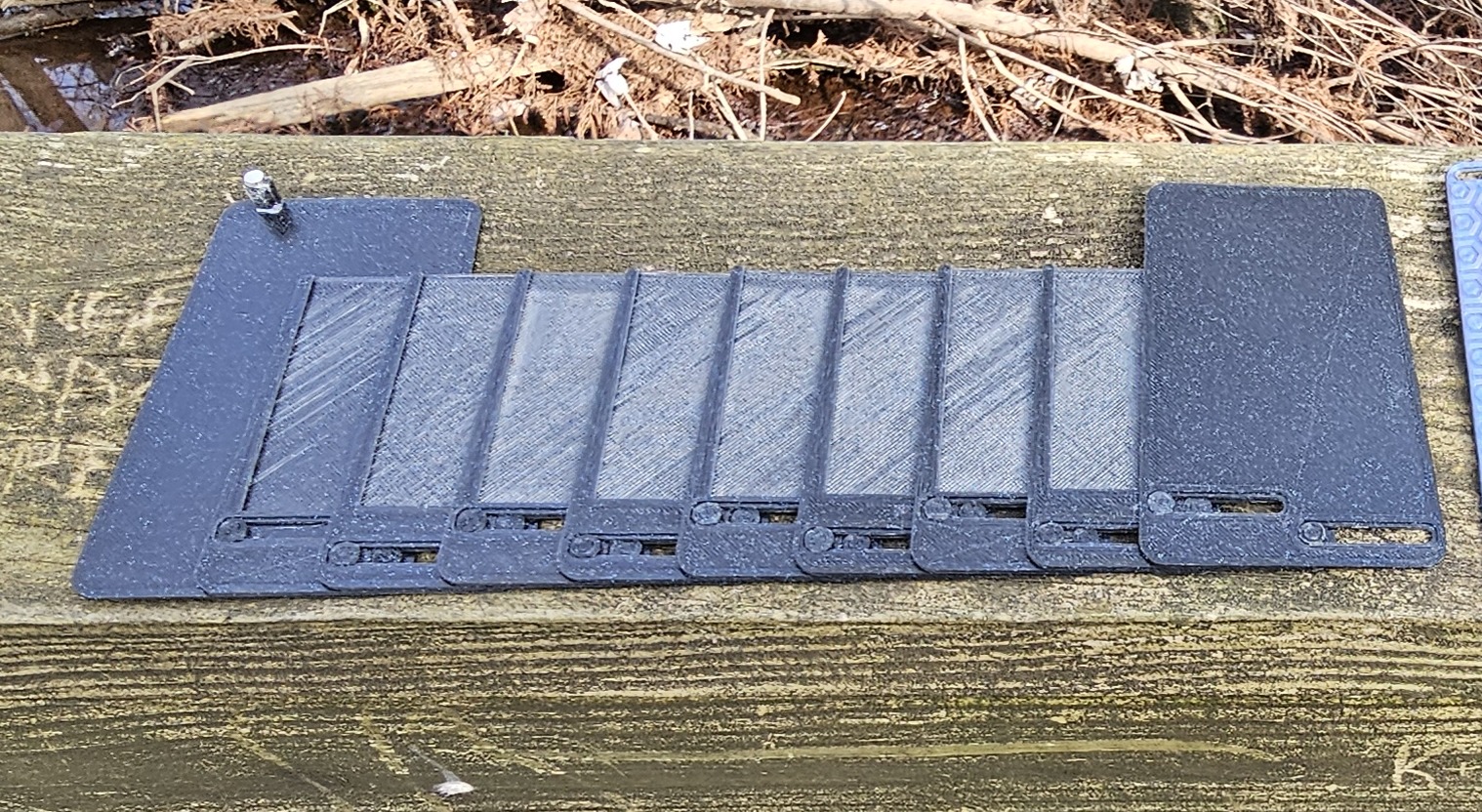
The current generation. V4 was resized for adding new type of modules that could do more than just hold credit cards and debit cards, This makes it a truly customizable wallet. refined Snaping, improved hinge, better print orientation for strength less warping, and fine-tuned fit tolerances across every module.

There are a bunch of smaller changes that have happened within Version 4. I tried metal inserts to get a stronger hinge and smoother sliding, but that didn't work out and just increased production time. I also tried magnets to help the wallet stay closed when it's closed and snap open when it's open, but that didn't work well either and also added to production time. I'm currently on V4.16, which uses a modified hinge with a built‑in snap for both open and closed — a fully mechanical solution.

Refined Snaping Improved Hinge Optimized print orientation Fine-tuned fit
KynOre V4 Prototype

Available Materials

Choose the filament that fits your life. Every material is tested and tuned for daily carry.

ABS

ABS

Tough impact-resistant engineering plastic.

General engineering & durable parts.

Heat resistant High strength Impact resistant

PA6-GF

PA6-GF

Glass fiber reinforced nylon.

High-impact mechanical components.

Heat resistant High strength Impact resistant

ABS-GF

ABS-GF

Glass fiber reinforced ABS.

Rigid warp-free ABS parts.

Heat resistant High strength Impact resistant
⚠️

Why Not Polycarbonate (PC)?

PC is mechanically excellent, but it can leach BPA and other potentially harmful chemicals. Since KynOre sits in your pocket and is handled constantly, I chose to avoid PC entirely and prioritize materials that are safe for everyday contact.

Honest Limitations

Every product has constraints. Here are mine — and what I’m doing about them.

🔩

Off-the-Shelf Screws

Right now KynOre uses standard hardware-store screws instead of custom fasteners. They work well, but custom screws would let me shave size, improve aesthetics, and lock modules more securely. That’s on the roadmap once manufacturing scale makes it feasible.

📏

3D-Print Wall Thickness

There’s a limit to how thin you can print a part before it loses structural integrity. I’ve pushed the walls as thin as possible while keeping them strong enough for daily use, but the wallet could be slimmer with injection molding or CNC machining.

🌡️

Post-Print Warping

ABS GF is the best material I’ve tested, but it can warp slightly after printing. Every part is quality-checked and corrected during production, but it adds time to the process.

🎨

Color & Finish Options

3D-printed parts have a characteristic layer texture. While I offer various colors, achieving a truly polished or anodized metal-like finish isn’t possible with FDM printing alone. Metal manufacturing would unlock a whole new tier of finishes.

🚀

The Future: Metal KynOre

The long-term vision for KynOre is a machined metal wallet — aluminum or titanium modules that screw together with the same modular system, but with the premium feel and durability that only metal can deliver.

Right now, I don’t have the funds to explore metal manufacturing options like CNC machining or metal injection molding. The tooling costs alone are significant, and small-batch metal production is expensive.

I’m actively looking for partners or investors who share the vision and want to help bring a metal version to life.

🔧 CNC Machining 🏭 Metal Injection Molding ⚙️ Titanium & Aluminum 📈 Scaling Production

The Details

3
Material Options
Modular
Design System
H2D
Bambu Lab Printer
V4.16
Current Generation